Let’s get one thing straight right away:
Not all baby cries are the same.
That’s not a theory, that’s biology.
There’s crying… and then there’s screaming from the soul. A child in discomfort whimpers. A child who’s hungry wails. But a child experiencing sheer, overwhelming trauma like what happens during circumcision doesn’t cry. He shrieks.
If you’ve ever watched NSFL circumcision footage, you already know. It’s not like anything else. And once you’ve heard it, you can’t forget it.
But here’s the disturbing twist: What if you’ve heard it without realizing it?
Train Your Ear: The Types of Infant Cries
1. Hunger Cry (Gradual & Rhythmic)
This crying builds in intensity over time in repetitive wails, often accompanied by rooting motions and sucking on hands or lips. It’s emotional – but measured. Video
2. Pain Cry (Sharp & Panic-Triggered)
The pain cry often surprises and interrupts. These cries are intense but usually shorter bursts indicating sudden discomfort, not prolonged agony. They sound alarmingly urgent, but not continuous. Video
3. Mixed or Colicky Cry (Extended Fussiness)
This one-month-old baby alternates between fussy outbursts and calm moments. Typical of colic/purple crying prolonged, emotionally draining, but not truly clinical or trauma-level intensity. Video
Why These Matter for the Argument
Hunger cries are rhythmic and predictable not clinical. Pain cries, while intense, usually appear in short bursts. Even colic-related crying, though long-lasting, has variation and emotional tone unlike the rasping, sustained screams associated with intensive medical trauma or circumcision.
Let’s Talk About Two Films
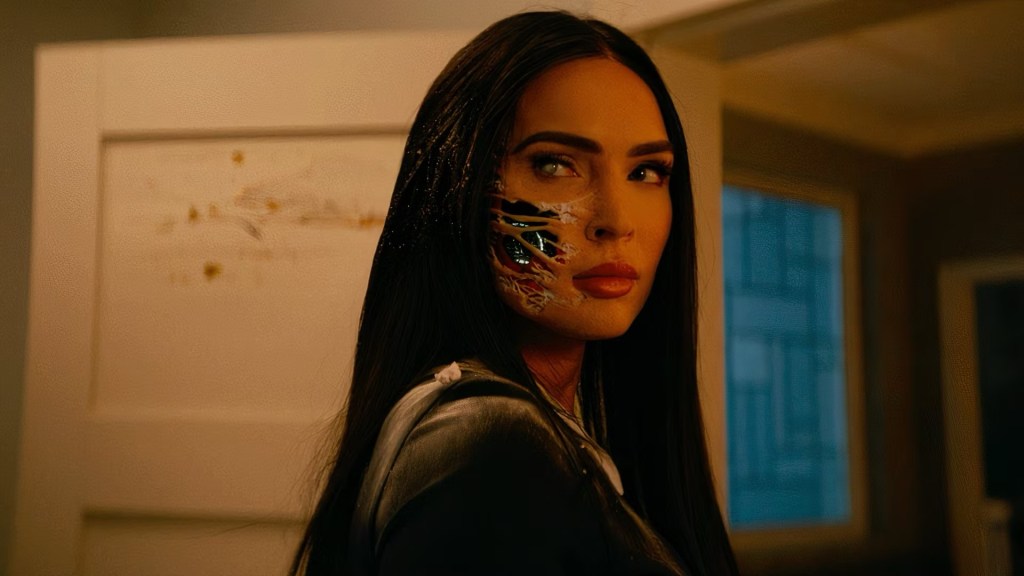
Exhibit A: Subservience (Megan Fox)
In the bathtub scene, as the camera zooms over the baby’s back, you hear a scream: too desperate, too raw, too real. That’s not tantrum noise or bathwater fear. The tone and intensity unnervingly resemble audio from circumcision surgeries. If you’ve heard such footage, the similarity is unmistakable
Trigger Warning. (Subservience Bathroom Scene)
This scene just like the other movie felt forced and unnecessary. So much so that it’s not a coincidence that these sounds are in these movies.
Exhibit B: Triangle of Sadness
During the yacht chaos (around the storm dinner scene), amidst crashing waves, tumbling dishes, and seasickness, there’s a layered baby cry in the right ear, faint but distinct that breaks continuity. It starts just after the child exits frame and lasts for an ENTITE 53 SECONDS! Critics confirmed its emotional punch:
“Sound of a baby crying amidst the comedy chaos… elicits in the viewer a deep psychological and emotional reaction.” Blog link
Reddit users also drew attention to background baby screams in these scenes, noting how they stand out audibly even amidst the puke ballet.
Trigger Warning: (Triangle of Sadness clip)
Where did the filmmakers get that sound?
The Logistics of Recording Infant Distress
Let’s break this down rationally.
How Most Audio Is Made
In the film industry, baby cries are sourced in a few ways:
1. Licensed stock audio libraries (e.g., Soundsnap, AudioJungle)
2. Foley recordings made in a studio with actors or practical objects
3. Live onset recording (rare, and typically minimal with infants)
Standard baby cry clips include:
• Mild fussiness
• Hunger whimpers
• Short bursts of panic (startled, discomfort)
These clips are short and controlled. Why? Because most babies don’t cry for long stretches without intervention. A parent picks them up. A caregiver soothes them. A set medic steps in. Filming rules forbid prolonged infant distress.
So here’s the issue:
The Cries Used in These Films Are Long, Raw, and Terrifying
• They last 20–53 seconds or more without break.
• They include gasping, rasping, throat-shredding screaming.
• They do not sound looped or composited.
• They are emotionally congruent with medical torture, not hunger or fear.
This is not how infants cry in real life unless something horrific is happening to them and no one stops it.
⸻
What It Can’t Be
Let’s be precise:
• It’s not looped whining. The pitch modulates and breaks, like real pain does.
• It’s not AI-generated. AI still struggles to replicate organic infant crying that sounds realistic over long periods.
• It’s not “acting.” No sound actor can recreate a newborn’s cry not even close.
• It’s not “just scared.” As any parent knows, fear-crying sounds wildly different from screaming due to physical pain.
The Disturbing Possibility
There are only a few ways this audio could’ve made it into these films:
• Real circumcision footage was sampled, modified, and inserted (illegally or from public sources).
• Filmmakers acquired unethically sourced cries from unknown origins (e.g., foreign hospital audio, “research” banks, etc.).
• They buried it deliberately, betting no one would notice but knowing that on some level, you would feel it.
If that’s the case, we are witnessing real infant trauma repurposed as horror texture turning abuse into ambiance.
⸻
Conclusion: Trauma in the Mix
You don’t need a conspiracy theory. You just need your ears and your conscience.
Fuck these movies and the directors, editors, writers and producers.
 The Whole Truth
One response to “Circumcision Audio in Movies. Hollywood thinks they’re slick.”
So not only do they sell baby foreskins, but they sell RECORDINGS of baby screams as well? Sick.
LikeLike